Restaurant exhaust parts to check for rust after cleaning
Rust can undo a lot of the value of a well cleaned kitchen exhaust system. Metal that has been stripped of grease and residue is often more exposed to moisture, and small defects that were hidden by buildup become easier to see. The aim is not to coat every surface in a hurry. It is to check the right parts, correct the conditions that keep them wet, and leave any repair beyond basic care to a qualified professional.
A restaurant does not need a perfect, showroom finish on ductwork or fan parts. It needs sound metal, secure joints, clean airflow paths, and records that show the system is maintained. Rust checks fit naturally into professional hood cleaning because the same visit gives access to areas that are rarely seen from the floor.
Moisture sources around the hood canopy
Start with the hood canopy, since it sits at the point where cooking steam, splash, and cleaning water all meet. Look for standing water on ledges, damp seams, and paint that has begun to bubble. A canopy that drains poorly can stay wet long after the kitchen settles down, especially where the surface slopes the wrong way or where a seam has opened.
Wipe the trailing edges and inside corners with a cloth after cleaning, then check whether moisture returns. Condensation can form when warm, humid air touches cooler metal. That is common in kitchens where make up air is cold or where the exhaust runs intermittently. The practical response is to improve airflow balance and stop water from pooling. If a panel is warped, a seam has split, or fasteners are loose, have it assessed by a qualified professional rather than trying to force it back into shape.
Grease filters and grease containment
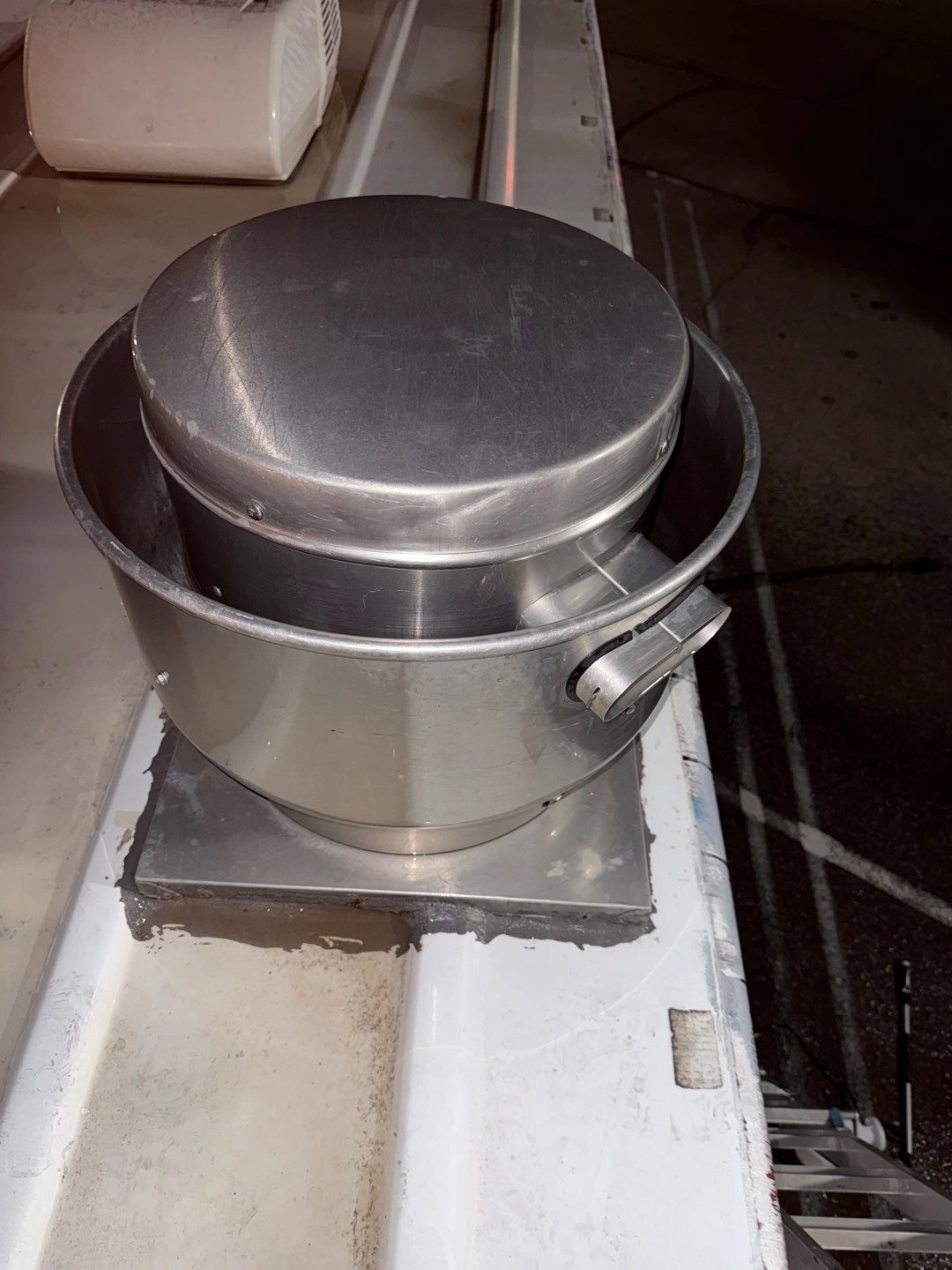
Filters deserve close attention because they are removed, washed, and reinstalled often. Check for bent frames, torn mesh, warped baffles, and rust at the corners where water sits. A damaged filter may look minor, yet it can let grease travel farther into the ductwork and leave residue that holds moisture against metal.
Grease containment points also need a careful look. Check the trough, drain opening, and any removable cup or reservoir for water, sludge, or signs of leakage. The point is not simply to make the area look tidy. A blocked drain can keep liquid in contact with metal, while a loose fitting can let grease and water spread to nearby surfaces.
After washing filters, let them dry fully before putting them back. Damp metal stored in a stack can rust at contact points. If a filter is badly corroded or no longer sits flat in its frame, replace it with a part suited to the system. Do not improvise with a filter that leaves gaps.
Ductwork joints and low points
Ductwork is where rust can be easy to miss because the system is only visible in sections. During routine commercial exhaust cleaning, access panels and reachable runs give a useful chance to inspect seams, fasteners, and low spots. Check for brown staining, flaking paint, pinholes, and soft metal around joints. Grease residue mixed with dust can look like rust, so wipe a small test area and compare what comes away.
Any place where water can collect matters more than a dry surface mark. Low points, failed sealant, and gaps around connections can hold moisture for hours. A sound exterior coating may still be fine if the inside is clean and dry. A bulging, sagging, or perforated section is a different matter and should be referred to a qualified professional for repair or replacement.
When cleaning is done, avoid leaving wet residue in joints or on ledges. Pressure washing can be useful on the right surfaces, but excess water driven into seams can create the very problem the visit was meant to prevent. Controlled rinsing, good drainage, and enough drying time are usually safer than forcing water into every crevice.
Exhaust fan details
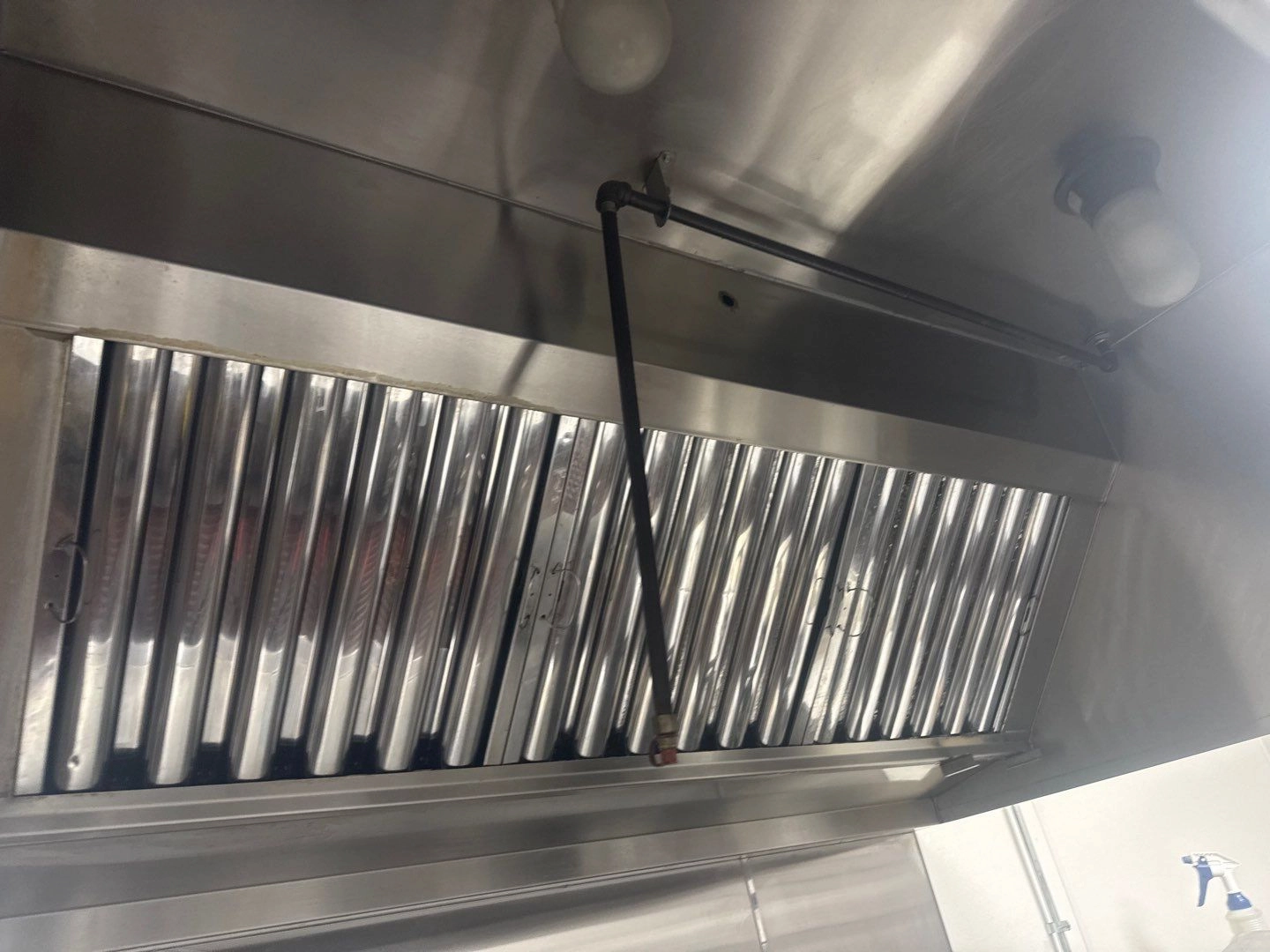
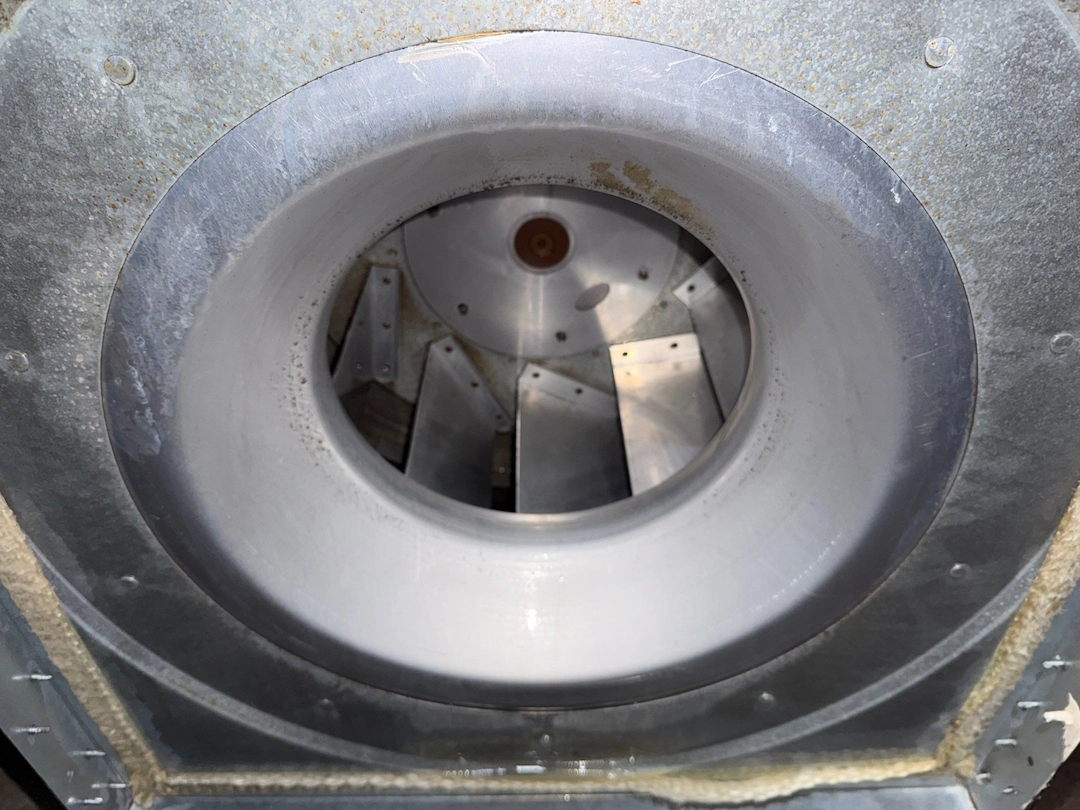
The exhaust fan works in a harsh environment. It moves warm, greasy air, then sits still when the kitchen is quiet. Moisture can settle on the housing, blades, and mounting points. Check the fan housing for rust blooms around bolts, seams, and the lowest edge. On the blade, look for corrosion, imbalance, or residue that has baked on and trapped moisture.
Any inspection around the fan must be done with the power isolated by a qualified person. Do not remove guards, touch blades, or work near a fan that could start. If there is vibration, grinding, a burning smell, or visible damage, stop using the system and call a qualified professional. Those signs are not cosmetic. A fan problem can affect airflow and allow heat, grease, and humidity to collect where they do not belong.
What to check after the work is done
Use a short set of observations to close the loop after cleaning. These are simple checks that support rust prevention without turning the kitchen into a maintenance workshop.
- Surfaces feel dry. Damp metal left overnight can start marking at seams and corners, especially where airflow is weak.
- Filters sit flat. A twisted frame can leave gaps and send grease deeper into the system.
- Drains are clear. Grease containment only works when liquid can move to the right collection point.
- Joints look intact. Loose fasteners or split sealant can let water into places that are hard to dry.
- Airflow sounds normal. New rattles, strain, or weak pull should be passed to a qualified professional.
Photographs help here. A clear image of a canopy seam, a filter frame, or a fan housing taken after service gives the restaurant a reference point. If the same mark grows over the next visit, it is easier to act early. This also supports compliance focused documentation, as records show that concerns were noticed and passed on rather than ignored.
Cleaning products and coating choices
Degreaser choice affects metal condition. A product that cuts heavy grease may be harsh if it is left to sit too long or rinsed poorly. Residue can attract dirt and hold water, while repeated overuse may damage finishes. Follow the product directions, keep surfaces from drying with cleaner still on them, and avoid mixing products. If a strong treatment is needed, that is a job for trained personnel using the right controls.
Coatings can help, but only on clean, dry, sound metal. Painting over active rust or a greasy film traps the problem under a neat surface. Heat also matters, since not every coating is suited to exhaust equipment. A repair coating on a canopy edge may be reasonable, while internal duct surfaces need a product appropriate for that environment. When in doubt, ask a qualified professional what is suitable before applying anything.
Good rust prevention is mostly routine. Keep grease out of corners, keep water from sitting, replace damaged filters, and inspect the fan and ductwork when access allows. Clean metal is easier to read, and a small mark noticed early is far easier to deal with than a corroded panel found during a busy service period. That practical attention is what turns professional hood cleaning into lasting system care rather than a one time refresh.